WANT TO JOIN THE MOVEMENT?
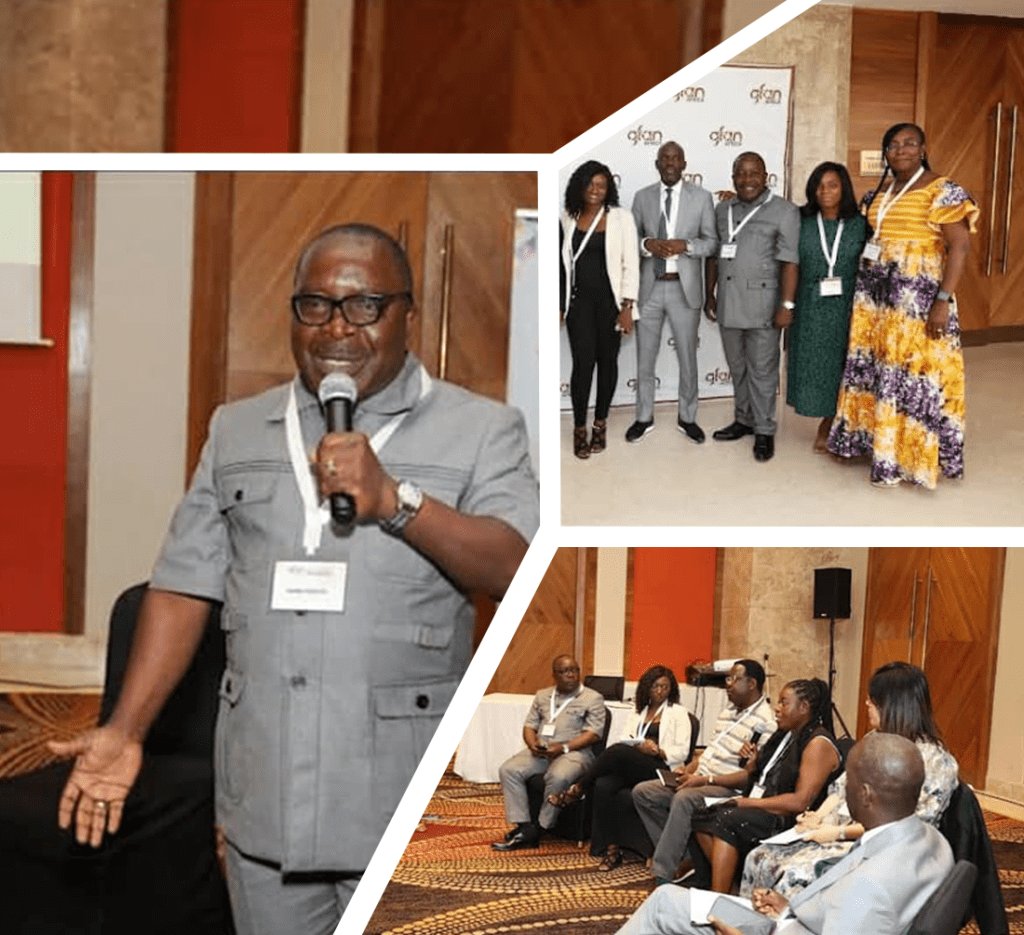
The HODSAS teams needs you. If you would like to join the movement and discover our four areas of intervention:
The HODSAS team needs you. If you would like to join the movement and discover our four areas of intervention, we mention:
- Health,
- Human rights;
- The Plea
- The Documentation
LAW
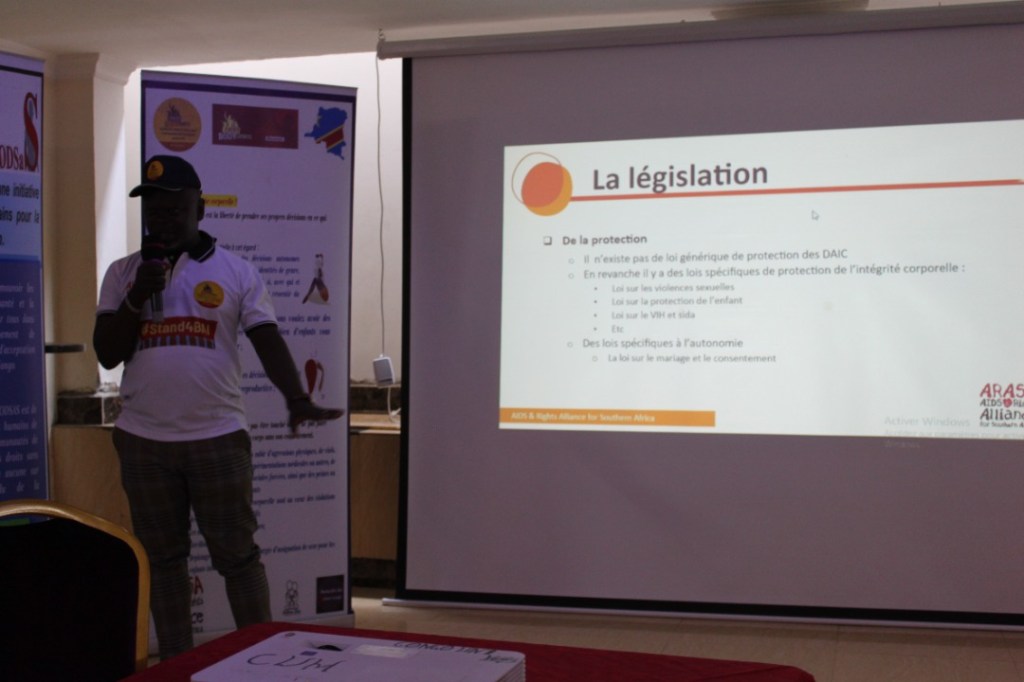
Article 20 of Law No. 09/001 states that children must not be adopted by pedophiles and those with psychological disorders. In the same manner, under Article 653 of the Congolese Family Code, the adoption of a child by both “homosexuals and transsexuals”* is prohibited.
*terminology not supported by this organization – United Nations
POVERTY
In 2021, nearly 64% of Congolese lived on less than $2.15 a day, making them one of the five poorest nations in the world. -WHO
Even though there is no provision in the Penal Code to punish sexual relations between consenting queer adults, 75% of the LGBTI population do not have access to education, employment, housing, health, or social security services. -United Nations
HIV
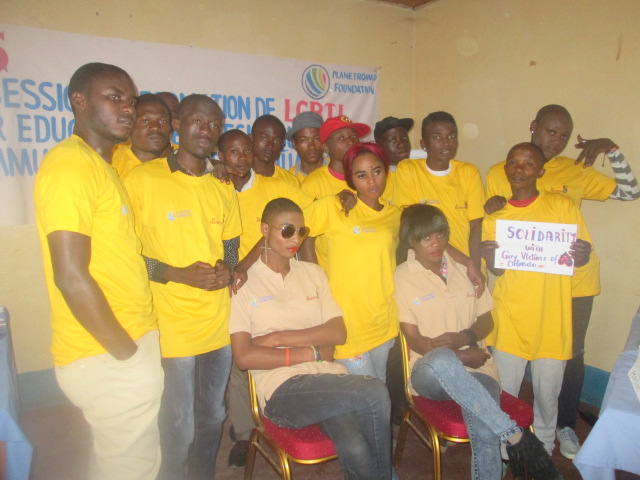
AIDS negatively impacts national productivity because HIV infection is the leading cause of morbidity and mortality in the productive age group of 20 to 49. People living with HIV/AIDS often face a decrease in income due to job loss (stigmatization) or the inability to work, increasing their risk of falling into poverty. Furthermore, the growing number of people living with HIV/AIDS who are rendered vulnerable and unproductive by the disease imposes expenses on families and communities, making them even more vulnerable and creating a burden on public spending, which must meet ever-increasing care needs. In the DRC, the main household expense is food, to which they devote 85% of their income, which obviously puts a strain on AIDS-related expenses, which are already high ($360) compared to the average annual income ($298). HIV/AIDS also increases the vulnerability of households and communities to food insecurity, and food insecurity increases the risk of infection for individuals and pushes them to use risky coping mechanisms.
Key populations contributing to the spread of HIV include: Sex workers (SPs), with an estimated seroprevalence of 3.4% in 2016, higher than the national average; men who have sex with men (MSM), with an estimated seroprevalence of 3.3% (though transgender individuals have a seroprevalence of 8.9%); and people who inject drugs (PWID), with an estimated seroprevalence of 5.9%, representing a community of over 4,000 (preliminary report from the National AIDS Control Program, 2016).
Key populations contributing to the spread of HIV include: Sex workers (SPs), with an estimated seroprevalence of 3.4% in 2016, higher than the national average; men who have sex with men (MSM), with an estimated seroprevalence of 3.3% (though transgender individuals have a seroprevalence of 8.9%); and people who inject drugs (PWID), with an estimated seroprevalence of 5.9%, representing a community of over 4,000 (preliminary report from the National AIDS Control Program, 2016).
https://data.worldbank.org/indicator/SH.DYN.AIDS.ZS?locations=CG
TUBERCULOSIS
There are 30 countries that have a collective 87% of the TB affected population, of which one is the DRC.
In 2018 approximately 56% of TB cases were undiagnosed and untreated. -World Health Organization
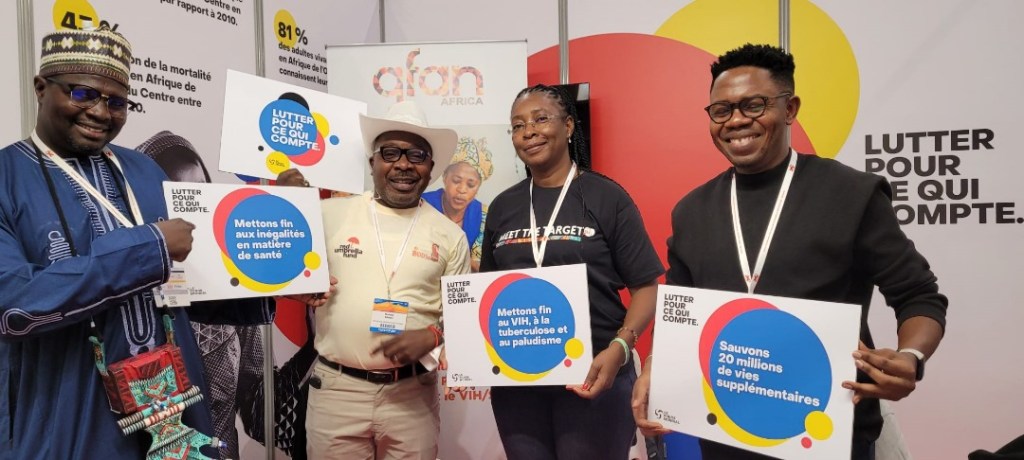
Malaria
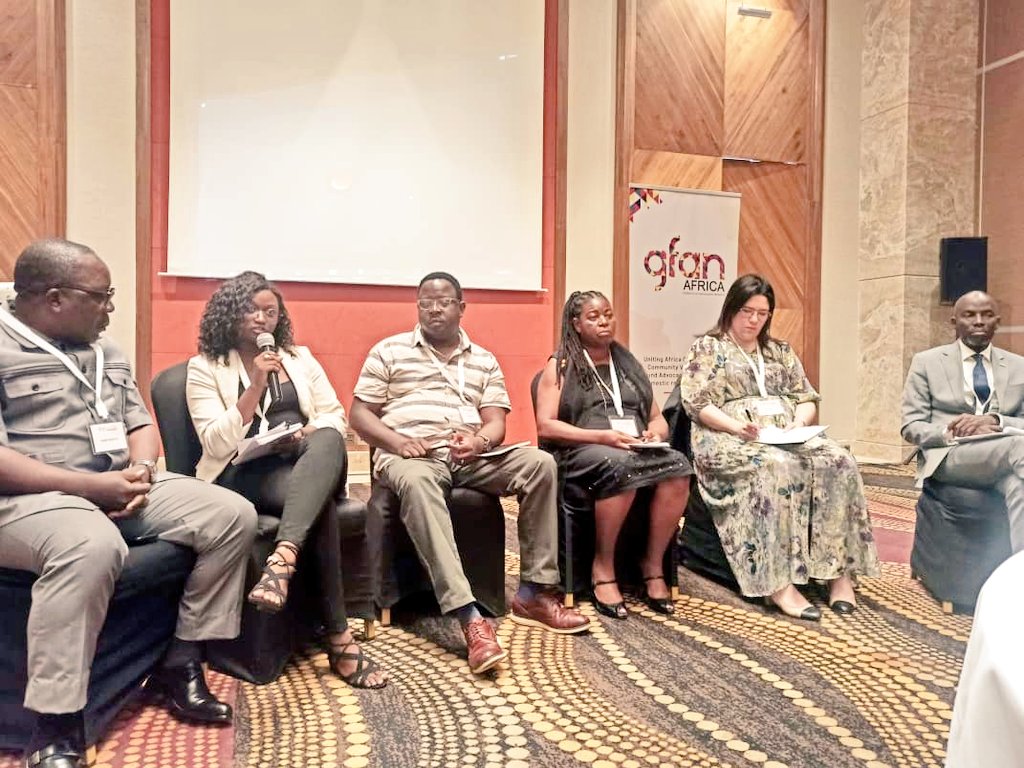
In the DRC, malaria remains the major endemic disease and the leading cause of morbidity, with nearly 10 episodes per year per child, while the endemicity level is 3 episodes per year per person, according to health statistics. It is estimated that between 150,000 and 250,000 children under the age of five die from malaria each year. This disease is also among the top three causes of death in the most vulnerable groups: children under five and pregnant women. The percentage of children under five sleeping under insecticide-treated bed nets was estimated at 38% in 2010 and remains far from the target set for 2015. New resources must be allocated to move closer to the target and, simultaneously, contribute to reducing infant mortality. The DRC is, unfortunately, the second most malaria-affected country in the world. Healthcare and treatment remain a challenge; health facilities are neither accessible nor available; the vaccine is still unavailable; while the Congolese government has signed the Abuja agreement, which stipulates allocating 15% of the national budget to health, we are still only at 5%. This is why we must get involved.
Citations
Democratic Republic of the Congo. (n.d.). Retrieved March 11, 2023, from https://www.unaids.org/en/regionscountries/countries/democraticrepublicofthecongo
Democratic Republic of the Congo. (n.d.). Retrieved March 11, 2023, from https://www.unaids.org/en/regionscountries/countries/democraticrepublicofthecongo
 WANT TO JOIN THE MOVEMENT?